
Monster Chase
KetchappArcade
4.5140.00 Reviews
- Version
- 2.2.1
- Installs
- 5.00M
- Age Rating
- Teen
Screenshots
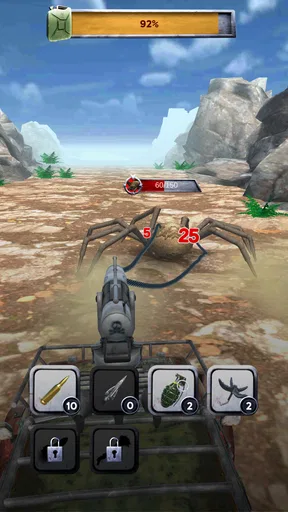
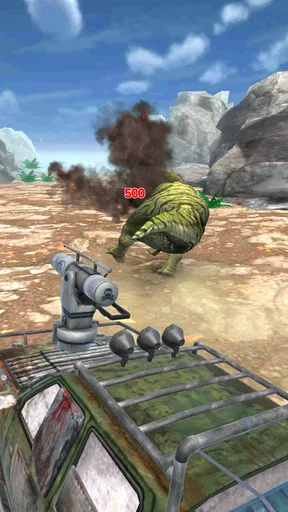
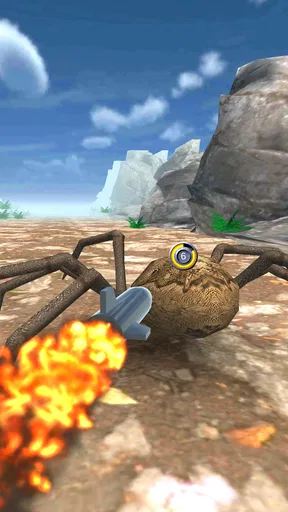
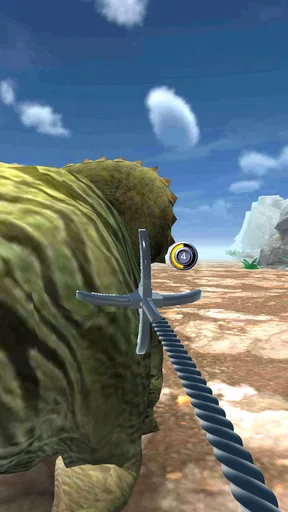
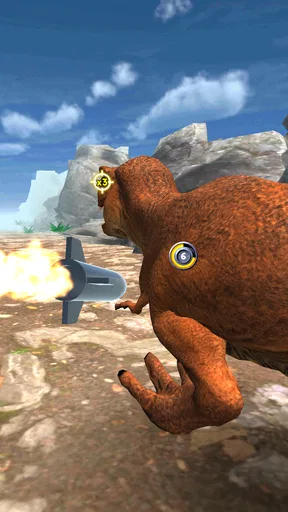
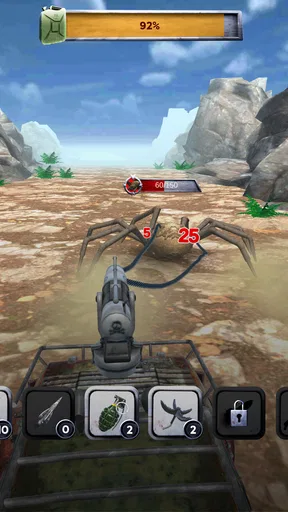
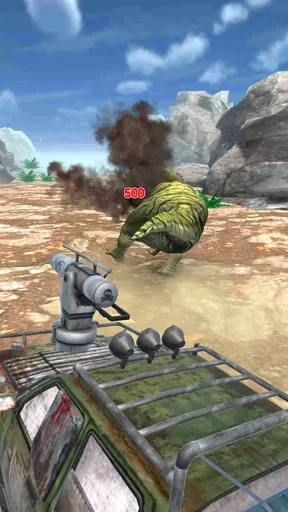
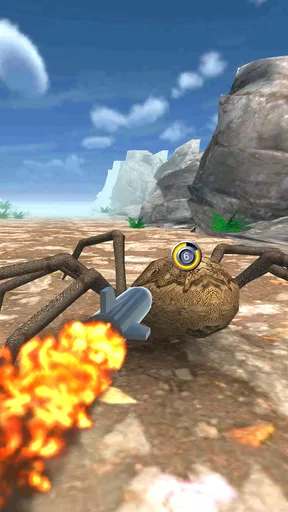
Our Review of Monster Chase
 Analysis by Appyee
I picked up Monster Chase expecting a quick arcade distraction, and that is exactly where it works best. It is a free game from Ketchapp built around a simple idea: chase the monsters, react quickly, and try to keep the run going. The concept is easy to understand within moments, but the real appeal comes from how quickly a short attempt can turn into a personal challenge.
That simplicity is important. This is not an arcade game I would open when I want a long story, a complicated upgrade tree, or a carefully explained world. I would open it while waiting for a coffee, taking a short break, or looking for something that gives me an immediate objective without asking me to learn a lot first. The store summary, “Chase them all!”, captures the direct nature of the game, although playing it makes the chase feel more like a test of attention and timing than a one-time task.
It belongs to the arcade category, carries a Teen content rating, and is free to start. The game has reached over five million installs and holds a four-and-a-half average from around twenty-two thousand ratings, which fits my impression: it is accessible enough for casual players but has enough repeat value to attract people who enjoy improving one attempt at a time.
How the early goals pull you into the chase
The first thing Monster Chase gets right is its low entry barrier. I do not need to study instructions for several minutes before playing. The central goal is immediately readable, and the chase format gives each attempt a clear purpose. That matters in an arcade game because hesitation is often more damaging than difficulty. The sooner I understand what the game wants, the sooner I can focus on execution.
Early play is driven by a small but effective question: can I handle the next moment better than the last one? That is a modest goal, but it works well for brief sessions. Instead of relying on a large narrative promise, the game encourages me to continue because the next attempt feels achievable. I might replay after making an avoidable mistake, not because I have been asked to complete a long mission, but because I know I was close to reacting correctly.
That structure makes the game particularly suitable for players who enjoy compact arcade loops. If you like games where a failed run teaches you something immediately, the chase has a natural rhythm. I can identify whether I reacted too late, committed to the wrong direction, or became careless after a successful sequence. The feedback is personal rather than story-based: my own decision-making becomes the main thing to improve.
One useful habit is to treat the opening moments of a run as a calibration period rather than rushing for a high result. I pay attention to the pace of the action and avoid using the first few seconds to chase an ambitious outcome. This helps me settle into the movement and makes later mistakes easier to diagnose. It is a small adjustment, but it turns random-looking failure into something I can learn from.
The early goals also reveal who may not enjoy the game. Players who need a substantial tutorial, a character-driven reason to continue, or a visible long-term objective may find the opening too bare. Monster Chase does not appear designed to persuade everyone with layers of content before the action begins. Its confidence is in immediacy, and that is both its strength and its limitation.
What progress feels like when the game stays simple
The progress experience is less about a traditional adventure and more about building confidence through repetition. I notice improvement when I survive situations that previously ended a run, maintain focus for longer, or stop making the same rushed decision. That kind of progress can be satisfying, but it depends on whether I personally enjoy measuring growth through performance rather than collecting a large number of rewards.
This is where the game’s pacing becomes important. A good arcade loop gives me enough time to understand a mistake without making the recovery feel slow. Monster Chase benefits from being easy to restart and easy to read. I can make another attempt while the previous one is still fresh in my mind, which creates a useful connection between failure and adjustment.
For a more deliberate session, I would set a narrow target before playing. Instead of vaguely trying to “do better,” I might focus on staying calm during a faster section or avoiding the same impulsive move three times in a row. This approach gives the game a little more structure without pretending it is a deep progression game. It also prevents the familiar arcade problem of playing repeatedly without knowing what I am actually trying to improve.
There is a trade-off here. If the game’s main reward is the feeling of improving a run, players who do not enjoy self-imposed goals may run out of motivation sooner. I would not recommend it to someone looking for a steady stream of new mechanics or a substantial collection system. The appeal is concentrated in the chase itself, so the quality of that moment-to-moment challenge matters more than the size of the surrounding package.
The current version is 2.2.1, and the game supports devices running Android 7.0 or later. That makes it a practical option for people using older compatible Android hardware, although the experience will still depend on how comfortably the device handles quick arcade action. For this type of game, a responsive screen and reliable touch input matter more to me than having the newest phone.
Difficulty, mistakes, and the point where tension becomes pressure
The difficulty curve works best when I approach it as a test of concentration rather than a race to force progress. Early success can create overconfidence, especially in a chase game where the action feels manageable for a while. I found that the most common danger is not always a lack of ability; it is the decision to react too aggressively after a comfortable sequence.
My most practical tip is to make fewer unnecessary corrections. When I am uncertain, rapid overcorrection can be worse than a measured response. I try to watch the situation for a fraction longer and commit only when I understand the immediate threat. That does not make every attempt successful, but it gives failures a clearer cause and reduces the feeling that the outcome was completely random.
Another useful approach is to separate learning runs from score-focused runs. During a learning run, I accept that I may fail while paying attention to how the chase develops. During a score-focused run, I use what I noticed and avoid experimenting. Mixing those two mindsets often leads me to take risks before I have understood the pattern of play.
The tension is effective because the basic objective is so clear. I am not dividing attention between combat controls, inventory choices, dialogue, and exploration. My attention stays on the chase. That narrow focus can make a short session feel surprisingly intense, especially when I am trying to recover from a small mistake instead of starting carelessly over.
However, the same narrow focus can become tiring. If I play for too long without a fresh personal goal, the repeated loop may start to feel less like a challenge and more like pressure to continue. This is the point where I would close the game rather than forcing another attempt. Monster Chase is better at delivering concentrated bursts than at carrying a long uninterrupted session.
That distinction is useful when comparing it with other arcade games. A traditional endless runner may offer more variety in scenery or obstacles, while a puzzle arcade title may let me pause and think between moves. Monster Chase is a better choice when I want direct reaction and immediate replay. It is a weaker choice when I want a calmer pace, a large variety of activities, or a progression system that remains interesting even after my reflexes stop improving.
Unlocks, retention, and the value of stopping at the right time
For me, the strongest retention tool is the compactness of the challenge. The game makes it easy to think, “I can do one more attempt,” because the commitment is small. That is useful during a short break, but it also creates a temptation to keep replaying without a clear reason. I get more enjoyment when I decide in advance whether I am playing to relax, learn the chase, or beat a personal result.
The game should not be approached as a substitute for a deep progression-focused arcade title. Its retention depends on the appeal of the core pursuit and the satisfaction of improved execution. If you need unlocks to provide a constant stream of new goals, you may want a different kind of game. Here, the most meaningful unlock is often confidence: reaching a point where a situation that once felt chaotic becomes readable.
That may sound modest, but it is a legitimate arcade reward. I enjoy games that respect a short attention span, and Monster Chase does not make me invest a large amount of time before giving me something to do. It is also a reasonable choice for someone who wants a free game to try without making an upfront purchase. In-app purchases range from ninety-nine cents to ninety-nine dollars and ninety-nine cents per item, so I would pay attention during the purchase flow and avoid treating optional spending as part of the basic value of the game.
The free entry point is helpful, but it does not automatically make the game right for every player. Someone sensitive to monetization pressure may prefer an arcade game with a single upfront price. Someone who wants a completely relaxed experience may also find the chase too demanding once the pace begins to test concentration. I see the game as most comfortable for players who are happy to sample it for free, decide whether the core loop holds their attention, and stop playing when the short-session appeal fades.
A realistic everyday use case is a ten-minute wait before an appointment. I can start a run immediately, focus on a simple objective, and put the phone away without needing to remember a complicated quest or story detail. Another use case is a quick reset after work: I play a few attempts, notice whether I am improving, and stop before frustration turns the break into another task. That kind of controlled session suits the game better than leaving it open for hours.
Who should try it, and who should choose another arcade game
I would recommend Monster Chase to players who like fast, readable arcade challenges and enjoy repeating a short sequence to improve their reactions. It is also a good fit for people who want something immediately playable, especially if they prefer a focused objective over a large menu of modes. Ketchapp’s involvement places the game in a familiar arcade tradition of quick interaction and replay, and the design feels most successful when I treat each run as a small test rather than a major campaign.
I would be more cautious about recommending it to players who need a strong narrative, extensive customization, or a clearly expanding set of abilities. It is also not my first choice for someone who dislikes repetition. The chase can be compelling precisely because it asks me to repeat the same basic activity with better timing, but that design will not satisfy a player who expects every attempt to introduce something substantially different.
Compared with a conventional runner, Monster Chase feels more concentrated. A runner may reward route planning, collecting, and visual variety, while this game puts more weight on the immediate pursuit. Compared with a puzzle arcade game, it gives me less time to deliberate and more reason to trust quick observation. The right choice depends on what kind of attention I want to use: planning, exploration, or rapid response.
Age guidance also matters. The Teen content rating means I would not install it automatically for a young child without checking whether the tone and action suit them. For teenagers and adults who already enjoy arcade games, the rating is less of a concern, but it is still worth considering when sharing a device with younger players.
One detail I appreciate is that the game does not require me to invent a complicated routine to get value from it. I can play casually, or I can become more analytical by reviewing why a run ended. The second approach gives the game more staying power. I watch for whether I am losing because I misunderstood the situation or because I reacted emotionally after a near-success. That distinction helps me improve faster than simply tapping through attempt after attempt.
My verdict on the chase and its staying power
Monster Chase succeeds as a focused arcade game because it understands the value of an immediate objective. Its early goals are clear, its progress is easiest to feel through better execution, and its difficulty creates tension without requiring a long setup. I enjoy it most in short sessions where I have one specific target and enough patience to learn from a mistake.
The limitations are equally clear. The game’s appeal is tied closely to repetition, reaction, and personal improvement. If those ingredients do not motivate you, the free download will not solve the problem. The presence of in-app purchases also means I would keep an eye on spending rather than assuming that every part of the experience belongs to the basic free option.
Still, I think it is worth trying for the right player. The combination of a straightforward chase, quick restarts, and a challenge that rewards composure gives it a useful place among mobile arcade games. I would not choose it when I want a rich adventure or a slow strategic puzzle. I would choose it when I have a few minutes, want something active, and feel like testing whether I can turn one careless run into a better one.
My final recommendation is simple: install it if your idea of fun is a compact arcade challenge that asks for attention and invites immediate replay. Approach it with a small goal, play in short bursts, and judge it by the satisfaction of improving rather than by expectations of a large progression system. On those terms, Monster Chase is an easy game to pick up and a surprisingly demanding one to master.
Verdict
Strengths of Monster Chase
- Fast-paced gameplay that keeps short sessions engaging.
- Simple controls make it easy for new players to get started.
- Monster variety adds freshness as you progress.
- Bright visuals give the game a playful, accessible style.
- Works well for quick entertainment during spare moments.
Limitations of Monster Chase
- Repeated objectives may make longer play sessions feel monotonous.
- Difficulty can increase abruptly in later stages.
- Some devices may experience occasional performance issues.
- Limited strategic depth may disappoint experienced players.
- Frequent advertisements can interrupt the gameplay experience.
Other Releases by Ketchapp
View All
Rider – Stunt Bike Racing
Arcade4.3

Knife Hit
Arcade4.2

Horse Life: Foal & Ranch Care
Arcade4.7

Horse Ranch
Arcade4.5
Similar Picks in This Category
View All
Subway Surfers
SYBO Games4.6

Stickman Party 234 MiniGames
PlayMax Game Studio4.6

Subway Princess Runner
Ivy4.4

Temple Run
Imangi Studios4.2

Zombie Tsunami
Mobigame SAS4.6

Stack Ball - Crash Platforms
CASUAL AZUR GAMES4.5
Frequently Asked Questions
What is Monster Chase and how does the gameplay work?
Monster Chase is an action-focused mobile game built around fast reactions, strategic movement, and surviving encounters with dangerous monsters. After installing it, players typically guide their character through challenging stages, avoid attacks, collect useful items, and defeat enemies to progress. The core experience is easy to understand, but later levels usually demand better timing, upgraded abilities, and more careful planning.
Is Monster Chase free to download and play?
Monster Chase can generally be downloaded without an upfront purchase, allowing players to try the main gameplay at no initial cost. However, the game may include optional in-app purchases for upgrades, extra resources, cosmetic content, or other advantages. Some versions can also contain advertisements. Before downloading, it is worth checking the store listing and reviewing the purchase settings, especially if children will be using the device.
Can Monster Chase be played offline?
The offline experience may depend on the specific version and the feature you are trying to use. Basic gameplay can sometimes remain available without an internet connection, but advertisements, cloud saving, online rewards, events, leaderboards, or account-related functions may require access to the internet. If you plan to play while traveling, test the game in airplane mode after installation rather than assuming every mode will work offline.
Is Monster Chase suitable for children and casual players?
Monster Chase is likely to appeal to casual players because its main controls and objectives are relatively straightforward to learn. Nevertheless, the game may contain cartoon-style monster combat, frequent action, ads, or optional purchases that parents should consider. Difficulty can also increase quickly, which may frustrate younger players. Families should review the age rating, privacy information, advertising behavior, and parental purchase controls before allowing regular play.
What should I check before downloading Monster Chase on Android or iOS?
Before downloading Monster Chase, check that your phone meets the required operating system version and has enough free storage for the installation and future updates. It is also sensible to confirm the developer name, recent user reviews, permissions, privacy policy, and whether the game contains ads or in-app purchases. Downloading through the official Google Play Store or Apple App Store is the safest way to receive the legitimate version.
Play our best games!


